Language

How Do You Plan a Luxury Etosha National Park Safari?

Where to go, when to go, what it costs, and how many nights to give it

Nina van Zyl
by Nina van Zyl
October 2026
15 min read

An animal at the waterhole below your deck, a plunge pool to yourself through the hottest hours of the afternoon, and a guide who knows where the leopard went.

Etosha rewards sitting still, and doing it in luxury means sitting still somewhere very comfortable and exclusive. That's what you can expect at most of the private reserves along the park's boundary. This guide covers where to go, when to go, what it costs, and how many nights to give it to get the most out of a luxury stay on any one of them.
Key Takeaways

  • When: May to September, with June to August the strongest window for game viewing

  • How long: 3 nights minimum, 5 for the full east-to-south circuit

  • How to arrive: Fly in. Three of the reserves have their own airstrip and a vehicle waiting on it

  • Where to stay: A private reserve on the boundary: Ongava (south), Onguma (east) or Etosha Heights (west)

  • What it costs: Roughly NAD 7,900 to NAD 50,700 per person per night on a fully inclusive basis, 2027 season

  • Don't miss: The waterhole at golden hour, rhino tracking at Ongava, a night drive on a private reserve

At a Glance

  • Where: Northwestern Namibia, roughly 450 km north of Windhoek

  • Access: By plane or via the Andersson Gate (south, C38 via Outjo), Von Lindequist GATE (east, also called Namutoni), Galton Gate (west, C35 via Kamanjab), King Nehale Lya Mpingana gate (north)

  • Best months: June to August, inside a dry season that runs May to October

  • How long: 3 nights minimum, 5 for the east-to-south circuit

  • Getting there: From Windhoek, a light aircraft to a lodge airstrip, or by road to one of the gates

  • Where to stay: One of the private reserves on the park boundary: Ongava, Onguma or Etosha Heights

  • Big game: Four of the Big Five. Elephant, lion, leopard, black and white rhino. No buffalo.

Why Stay on a Private Reserve at Etosha?

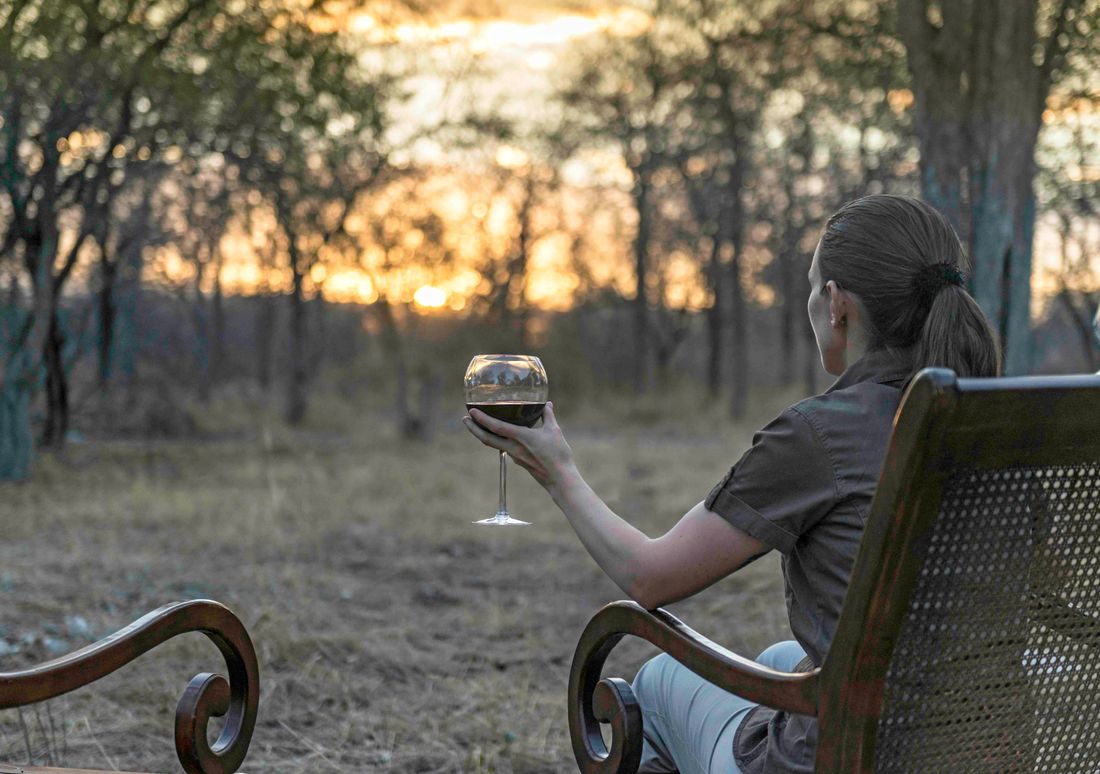
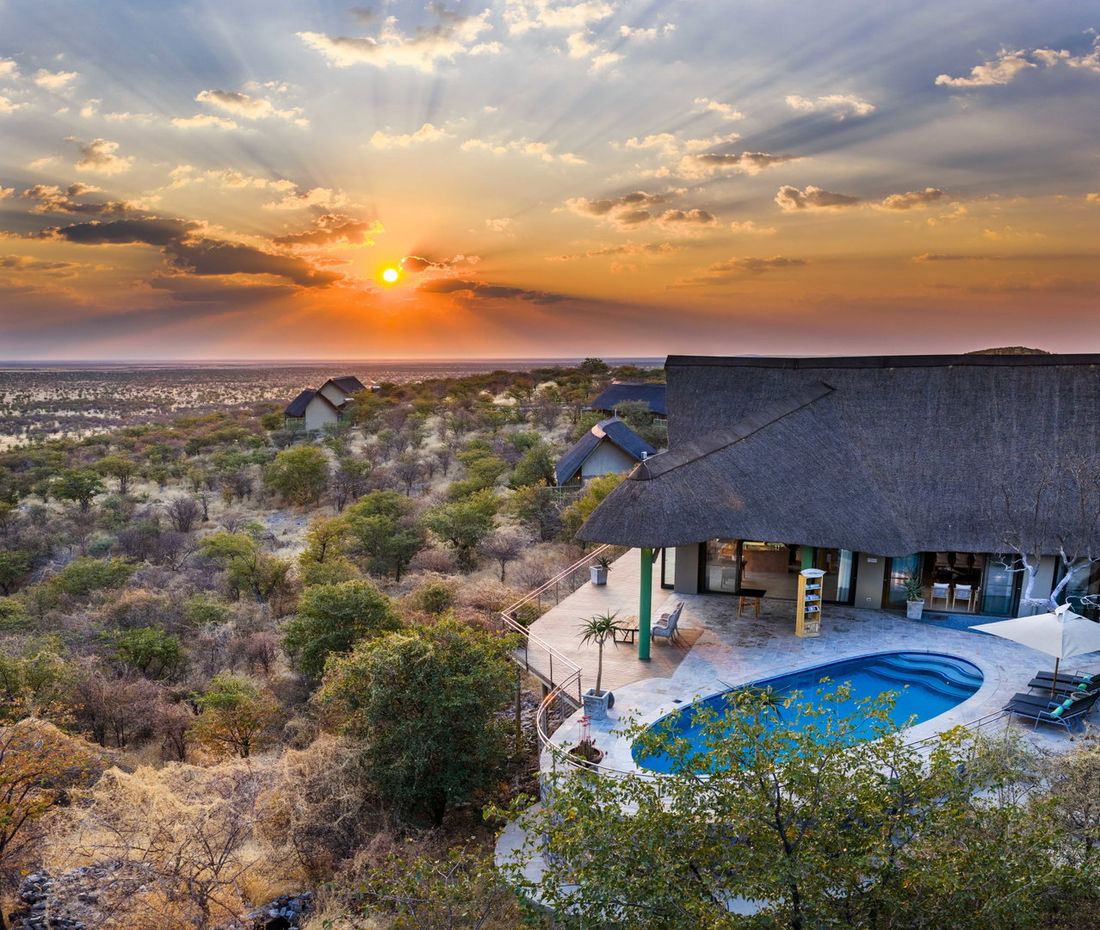
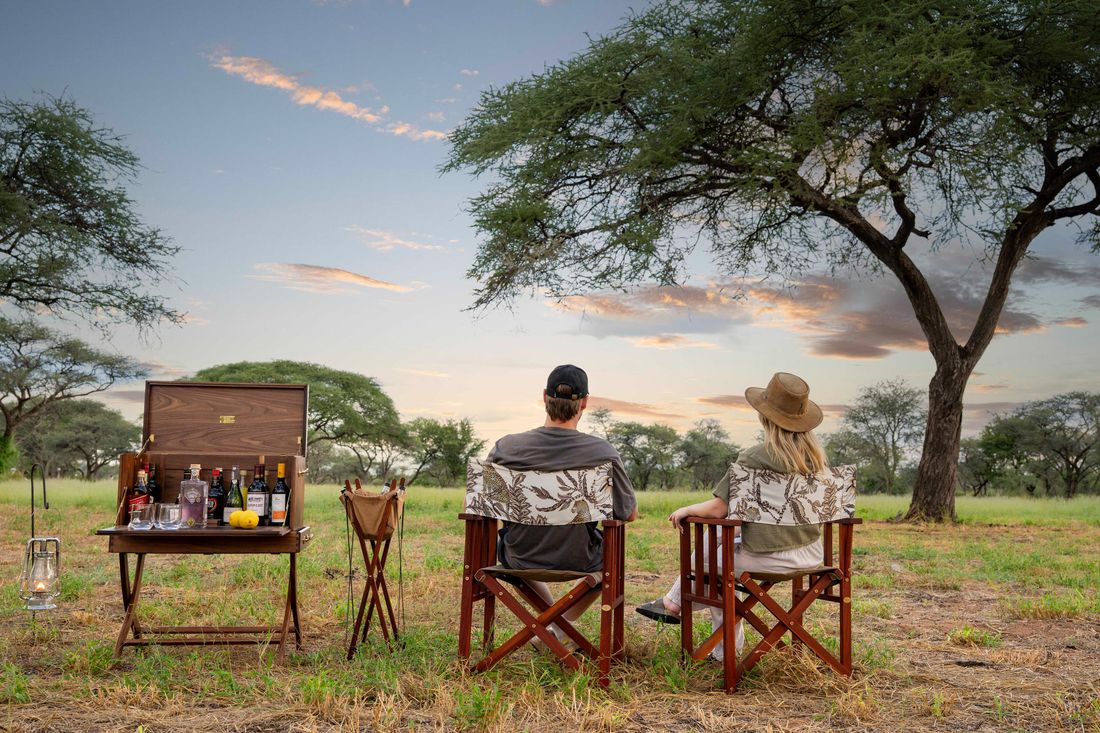
Enjoying the peaceful atmosphere of a sunset in the bush at Onguma.

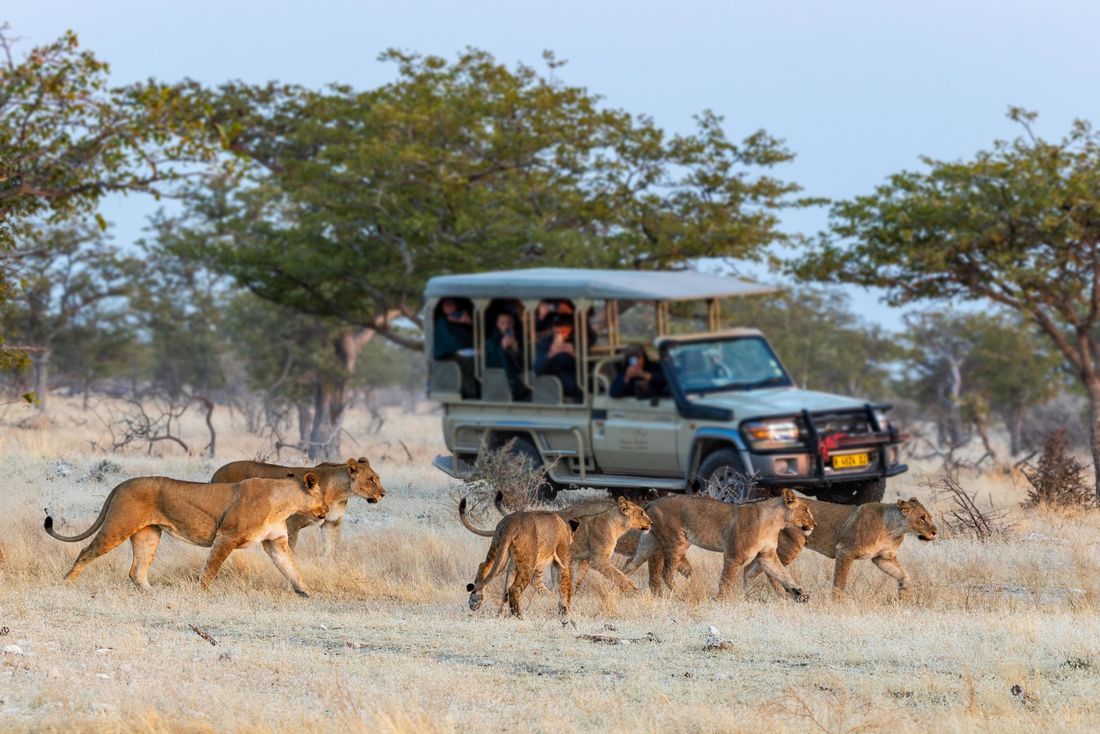
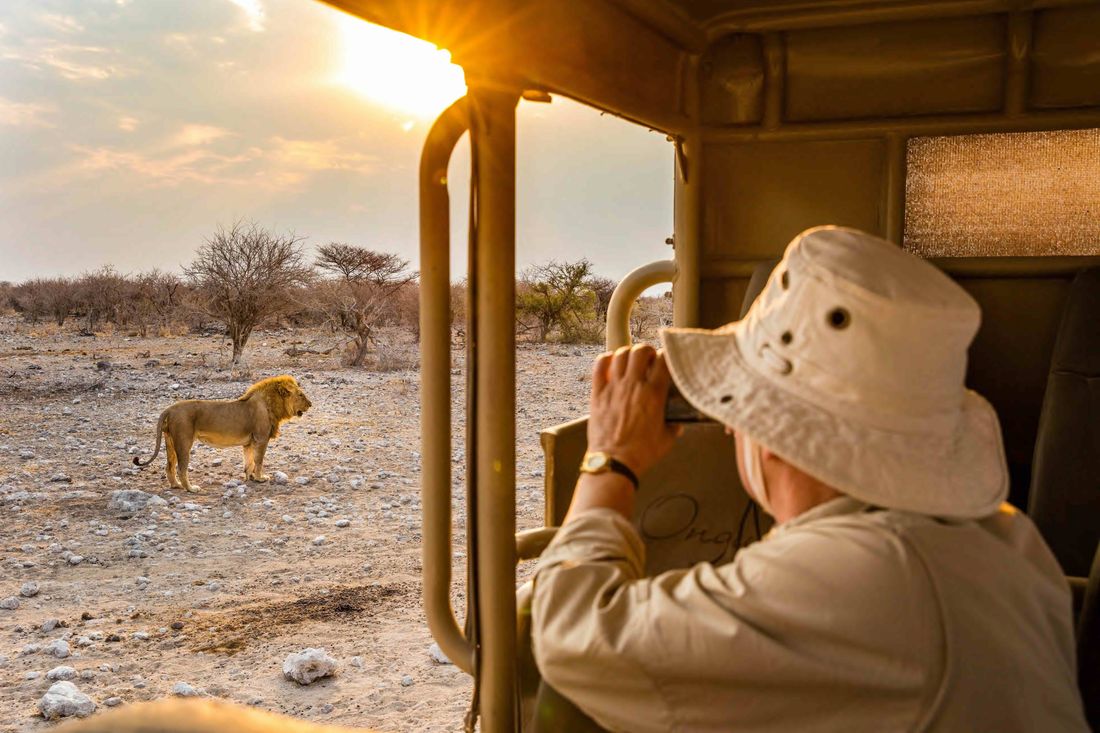
On a private reserve along the boundary of Etosha National Park, the game drives follow the animals off road and after sunset. The guides know the animals intimately, so your chances of seeing something spectacular are that much higher. And there's no rush to get back to camp before the gates close. That in itself is a luxury, I'd say.

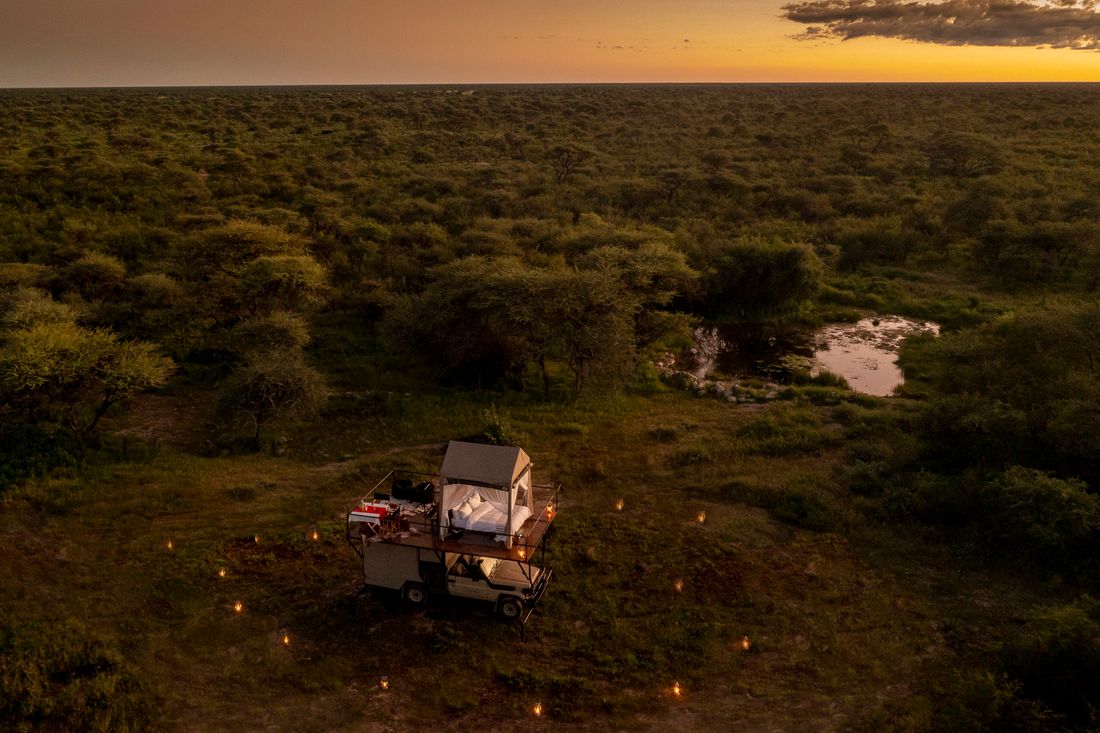
Twilight in the bush aboard the Dream Cruiser, Onguma

Space, and very few people in it. Run the arithmetic and the appeal is obvious. Safarihoek has eleven rooms on the 60,000 hectares of Etosha Heights Private Reserve. Ongava carries four camps across 45,000 hectares, and the largest of them, Ongava Lodge, has fourteen chalets. Onguma runs six camps and two campsites across 35,970 hectares, and its top tier, Camp Kala, takes eight guests in four suites.

These are the numbers behind the word exclusive, and they are why you can sit at a waterhole on a boundary reserve and count the other vehicles on no fingers at all.

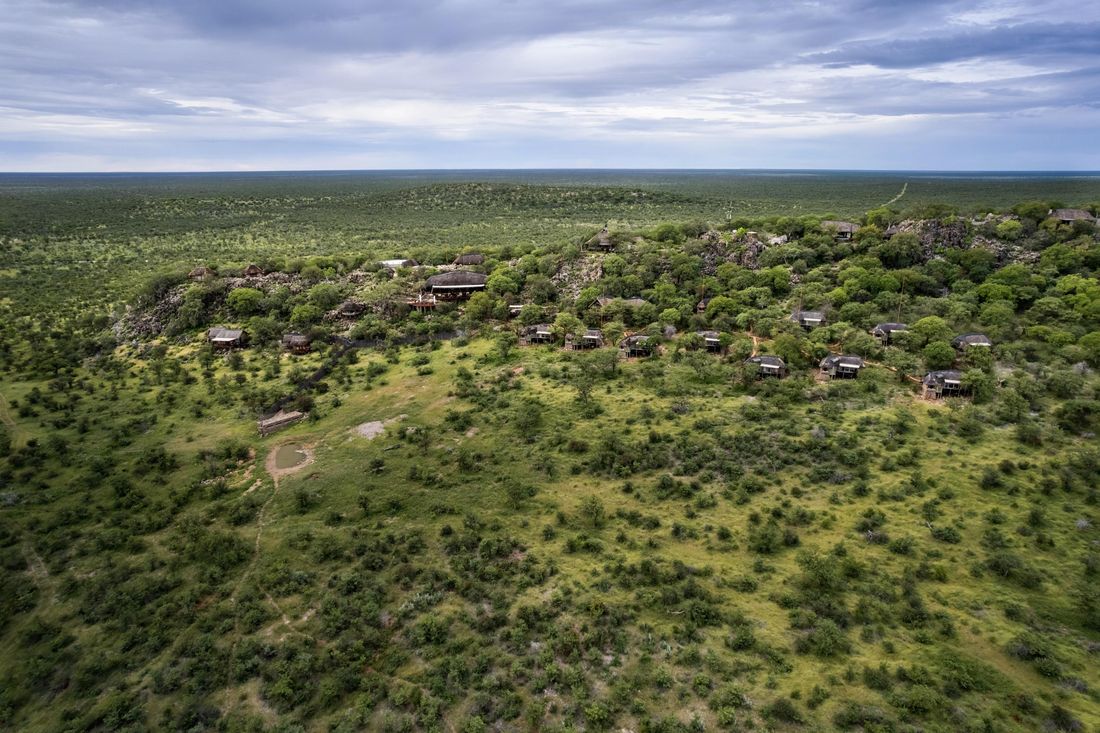
The animals are the same animals. Etosha Heights shares a 65 km boundary with the national park. Ongava sits along the southern fence, its entrance across the road from the Andersson's Gate entry at Ombika. Onguma's reserve entrance sign is about 100 metres before the Namutoni park gate, directly opposite it.

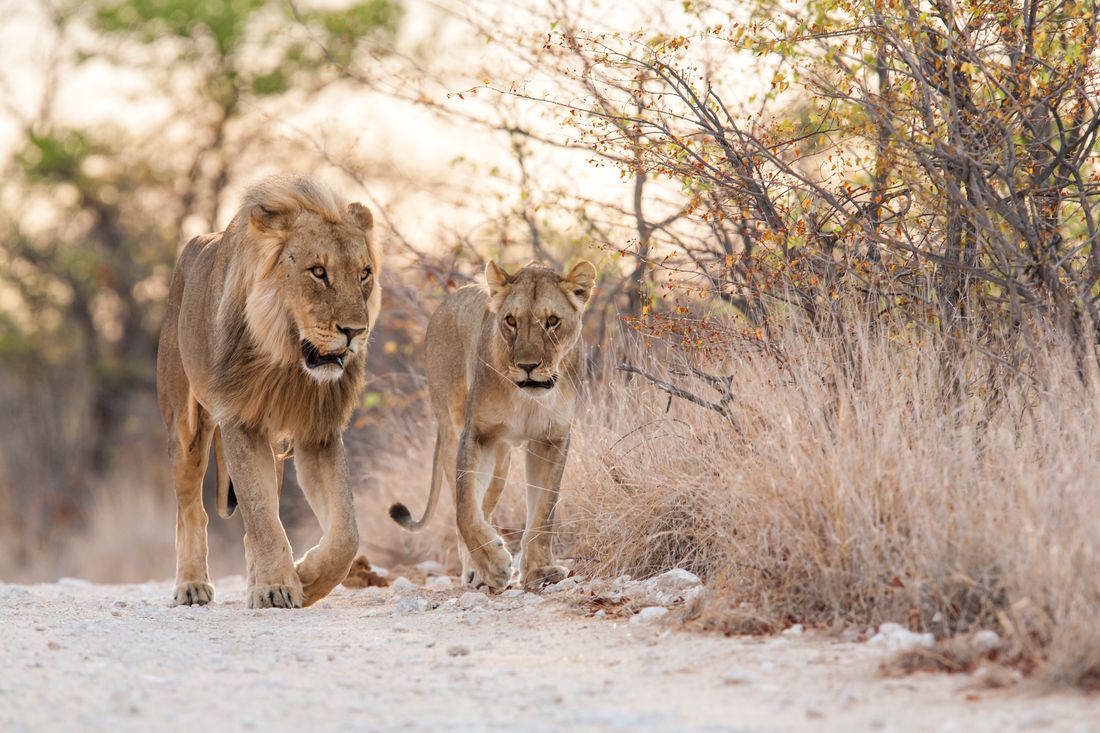
Four of the Big Five live on all three: lion, leopard, elephant, and both black and white rhino. What changes on a private reserve is how many people are watching. Day visitors to the park cannot drive onto any of these reserves, so the sightings belong to the handful of people staying there.

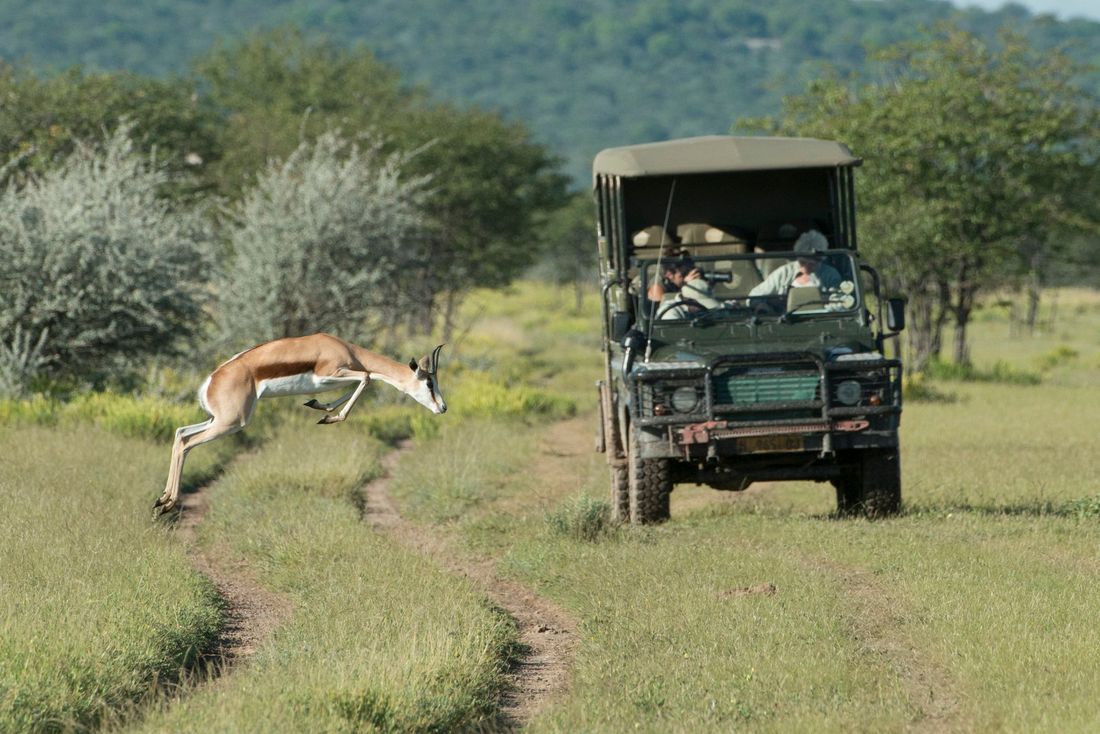
Offroad gamedrives. Inside the park you stay on the marked roads, which is a rule that exists for good reasons, but it's also the reason a leopard walking into the scrub is the end of your sighting. On private land a trained guide takes the vehicle off the road and stays with the animal as long as you want to.

The other thing that changes is the middle-of-the-drive break. Every game drive has one: coffee and rusks somewhere out in the open on a morning drive, and a sundowner to soak in the last rays on an evening one. In the park, there's no way you're getting out of the vehicle unless it's a designated picnic spot.

On private land, your guide can choose a great spot just for you, which is how you end up drinking coffee a respectful distance from a herd of elephants. Natural Selection will arrange a bush meal out on Etosha Heights, and Onguma will set up a bush breakfast or dinner from any of its camps.

Your day is not set by the gate. Etosha park runs from sunrise to sunset and everyone must be behind a fence by the time the inner gates close.

On the reserves, morning drives go out before first light and evening drives can carry on past dark with the help of a spotlight. Aardvark, porcupine and honey badger belong to that hour, and so, often enough, does leopard.

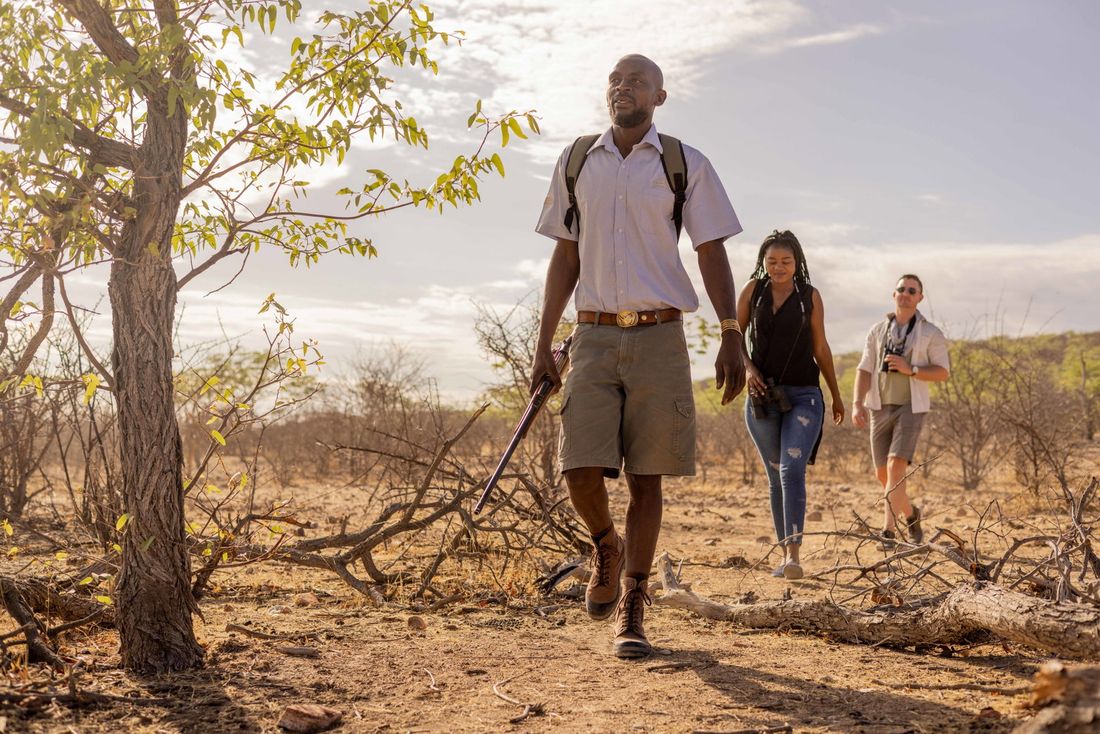
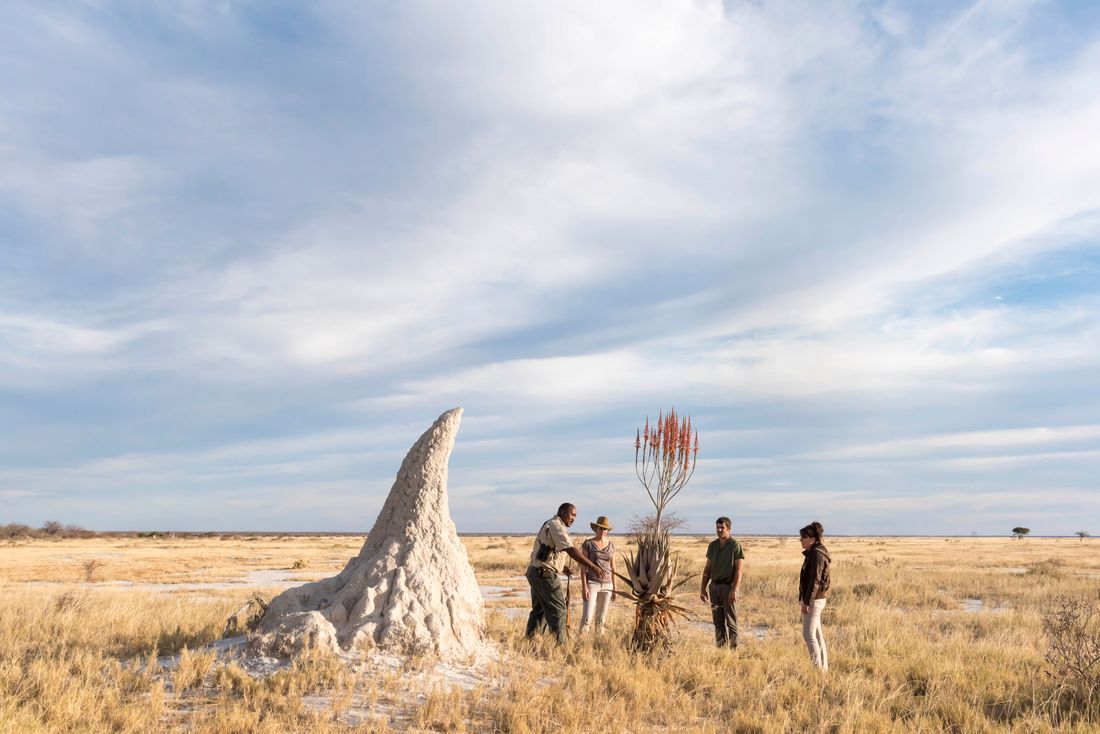
Guides who have trained for this. Guiding on a private reserve is a qualification people spend years earning, and the difference shows within an hour of your first drive. Onguma's guides train under Alan McSmith, a certified FGASA mentor with more than thirty years of walking safari experience, and its guided walks are led by guides he trained.

Over at Ongava, Anderssons Camp sits beside the Ongava Research Centre, an independently funded scientific hub studying the reserve's ecology, with a Discovery Centre alongside it for guests. At a private reserve worth its name, you are not getting a driver with a checklist. You are getting somebody who knows their stuff.

The exclusive hide at Camp Kala, Onguma

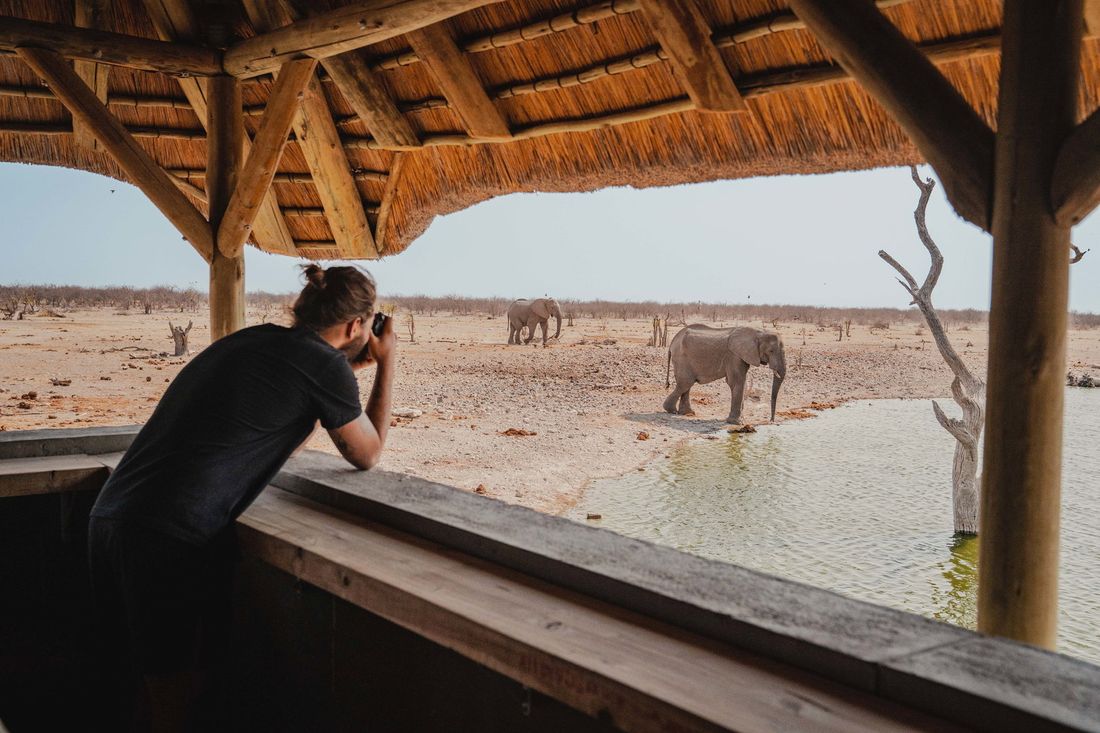
Exclusive waterholes and hides. Safarihoek's double-level photography hide, which Natural Selection calls one of a kind in Namibia, looks onto a large natural waterhole, is lit after dark, and has a charging station, gear storage and a day bed in it.

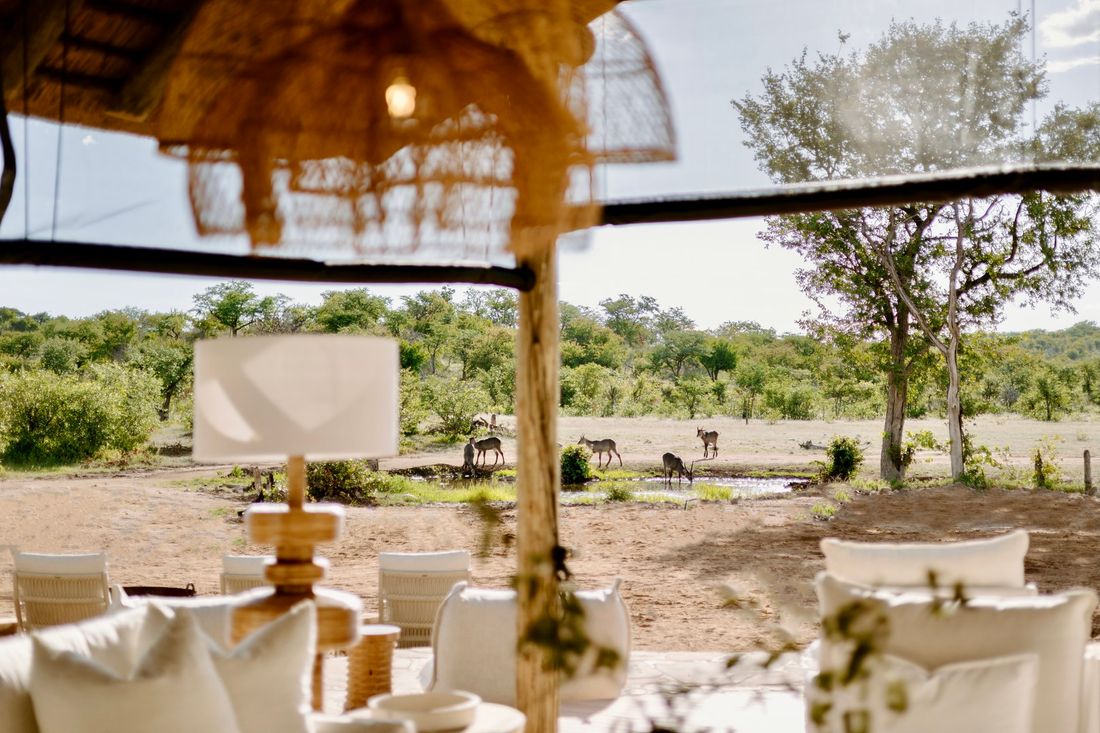
Onguma's Onkolo Hide is sunk below ground level so you sit at eye level with whatever comes to drink. Anderssons has an underground hide of its own and a 180-degree deck over a live waterhole.

Where to Stay

Ongava Game Reserve

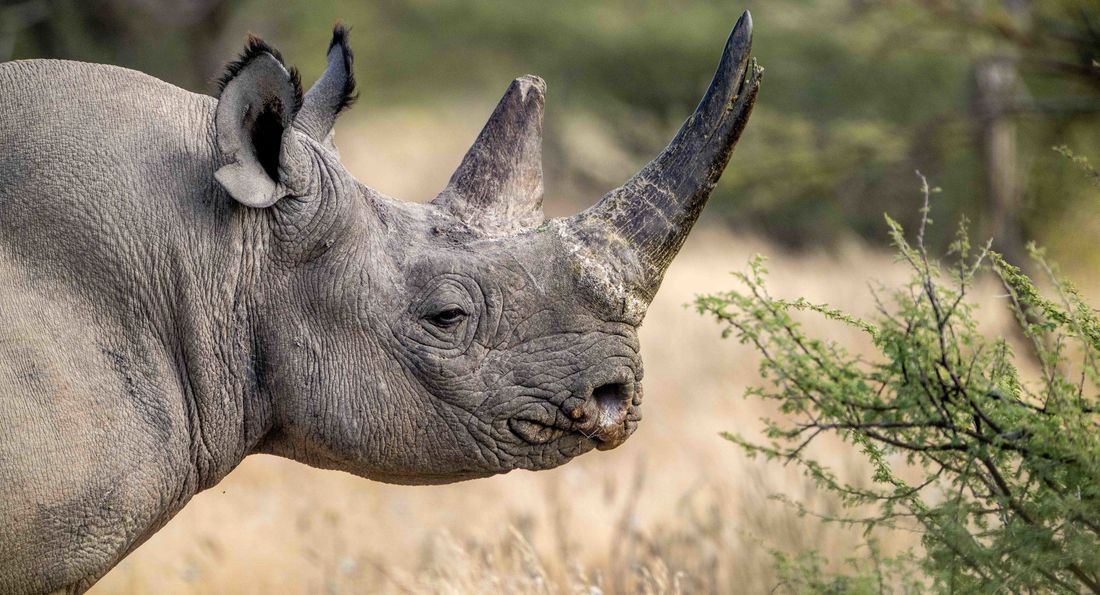
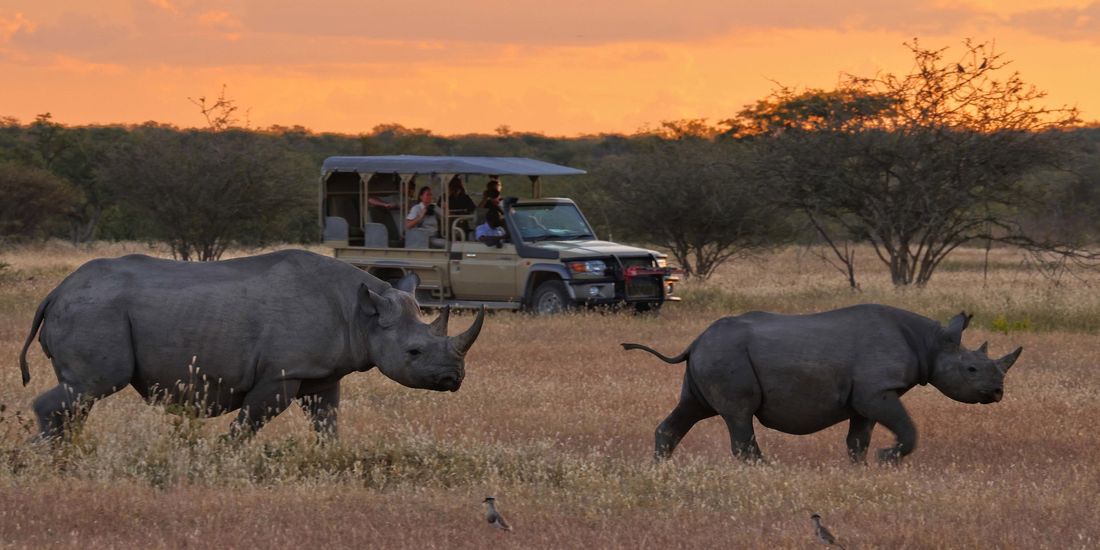
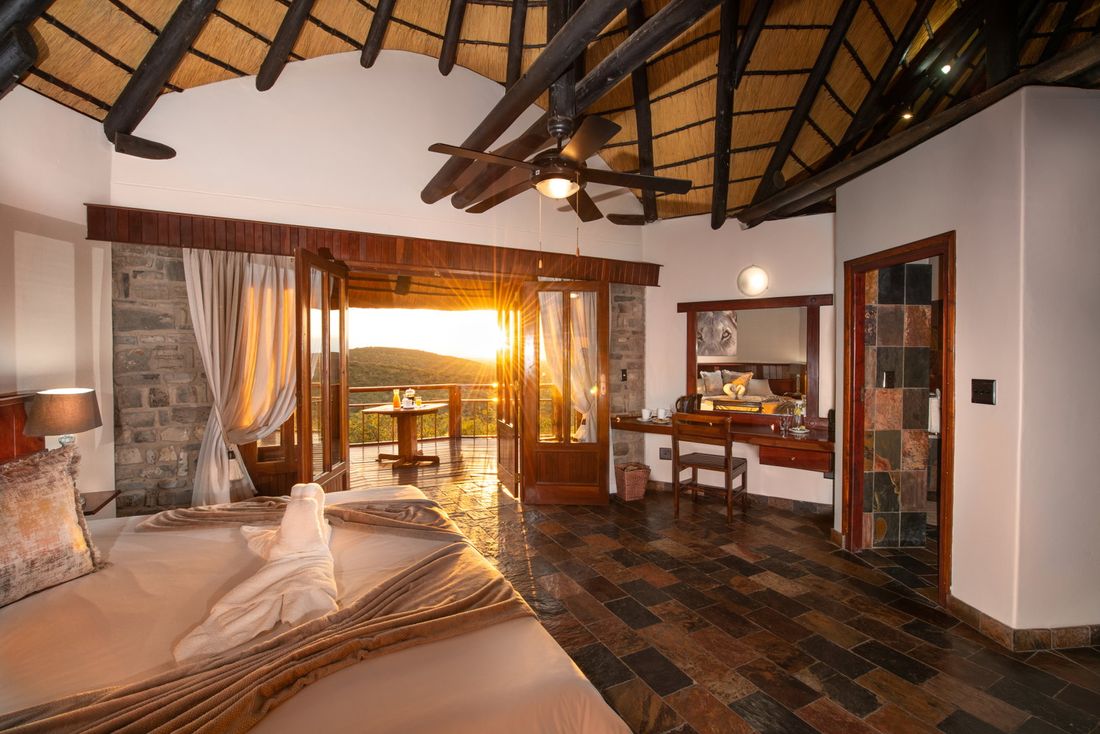
This private reserve covers 45,000 hectares next to Etosha's southern fence and is home to four of the Big Five, plus a dedicated black and white rhino conservation programme. The reserve has four camps, from the ultra-luxurious to accessible.

At the top of the list is Horizon by Ongava. Three villas, private infinity pools, and a maximum of six guests on the property. Think intimate and bespoke. Best for couples and honeymooners.

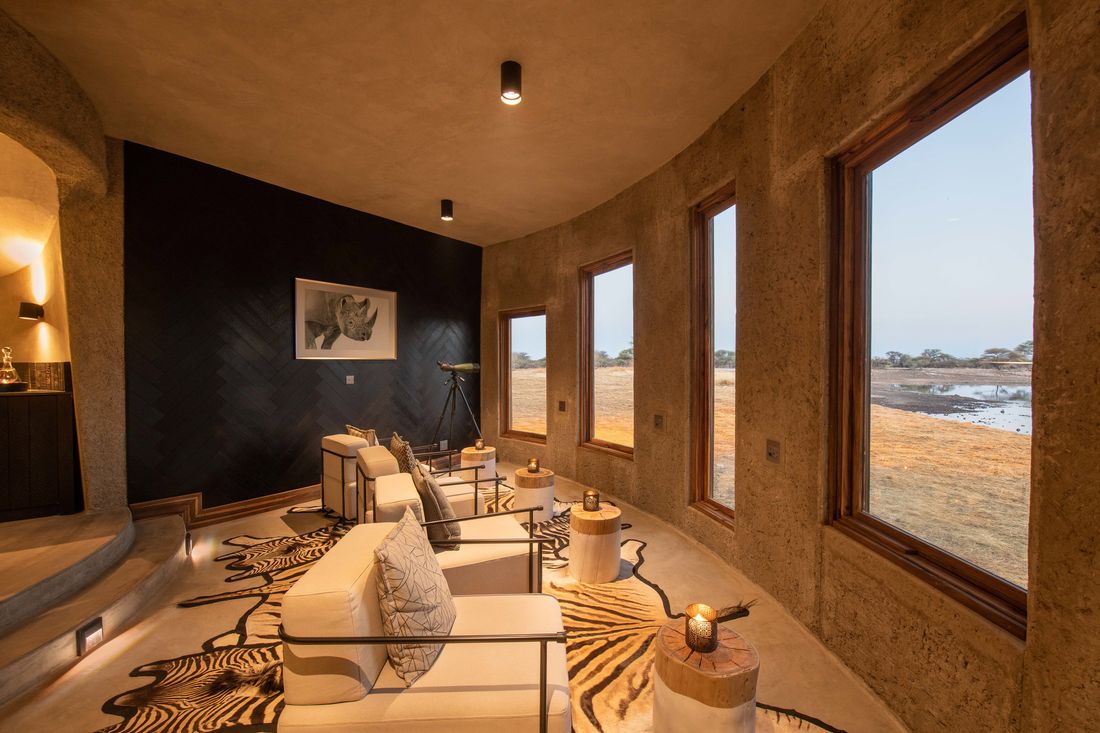
Anderssons, on the other hand, is focused on getting you as close to the animals as possible. The camp has its own underground photographic hide, and a 180° viewing deck over a live waterhole. Anderssons is also home to the Ongava Research Centre.

Then there's the eponymous Ongava Lodge. Fourteen chalets with a sociable atmosphere and a reliably productive waterhole. This is the Ongava camp I'd recommend for families with kids older than six, and for first-time safari visitors who want structure and company without giving up quality. (For kids under six, the lodge is only available on an exclusive-use basis.)

Last is Encounter, which is a Meru-style tented camp that has a more classic safari feel at a more accessible price. Think minimalist, elegant and timeless.

Onguma Private Reserve

Slightly larger at 35,970 hectares, Onguma sits on the eastern boundary with Etosha and runs six lodges plus two campsites.

Here are the three most luxurious of the lot:

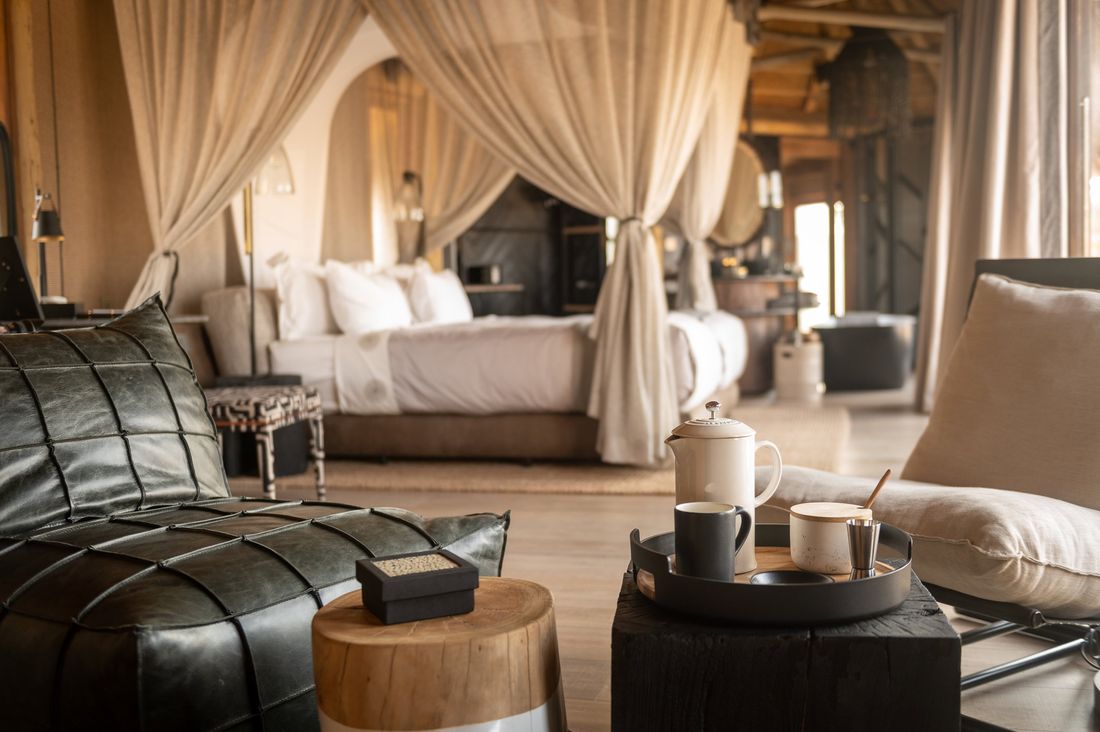
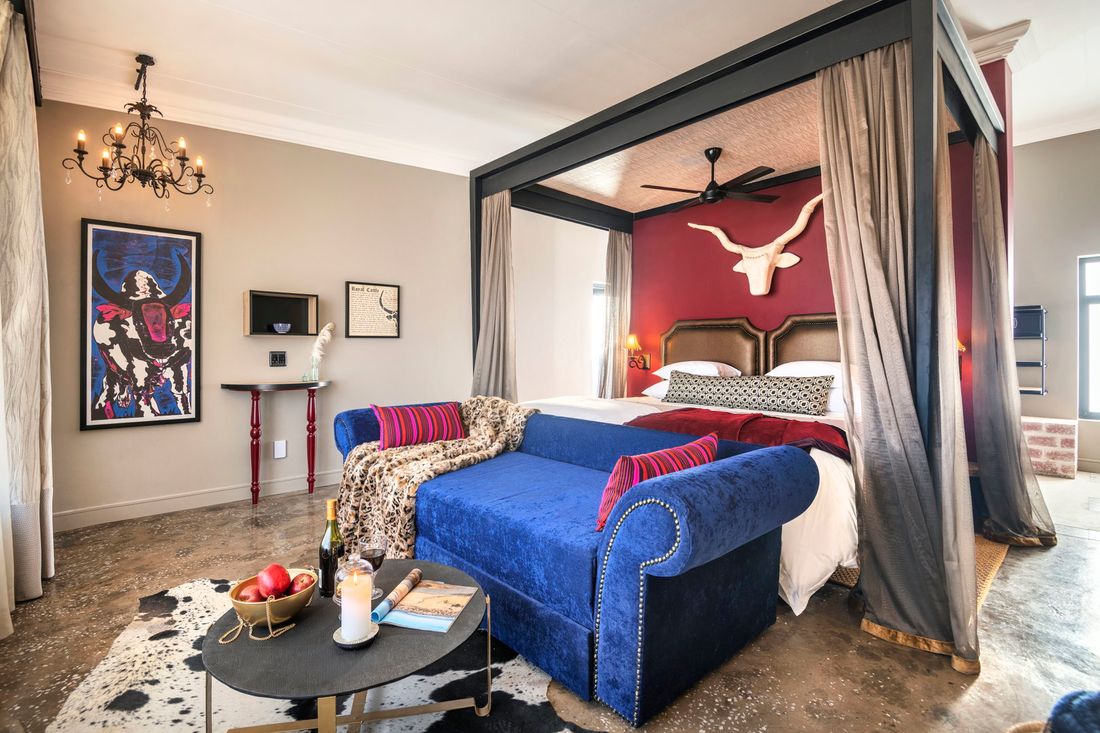
Camp Kala is the top tier at Onguma, and with good reason. Your stay comes with butler service, a wood-fired hot tub and plunge pool on each private deck. There is a ground-level photographic hide, and a spa room for treatments in camp, with a 60-minute treatment per person included in the all-inclusive rate. Best for celebratory trips and honeymooners.

Not to be outdone, The Fort has a Moorish-inspired architecture that feels luxurious and magical in the Namibian bush. Thirteen suites, all overlooking Fischer's Pan, with the sunken Onkolo Hide elsewhere on the reserve for close-ups with the wilderness.

Who said a family holiday couldn't be luxurious? Onguma's Bush Camp is family-friendly but no less of a spoil. It is mostly fenced and Onguma asks for adult supervision at all times, and three of its eight deluxe rooms sit in an unfenced section of the camp that the lodge does not recommend for young children. Ask for one of the others when you book.

Etosha Heights

Etosha Heights is the largest of the three private reserves on this list at 60,000 hectares and it shares a 65 km boundary with Etosha National Park. On that large piece of land is Safarihoek Lodge: eleven rooms, eight luxury, two classic and one family unit, raised on wooden platforms above a small waterhole and the plains.

Safarihoek costs materially less per night than Horizon by Ongava or Onguma's Camp Kala, and the difference is scale and finish rather than safari quality. The lodge has a fantastic double-storey photography hide that looks out over a natural waterhole, lit at night so you can stay in it after dark. Both black and white rhino live on the reserve, and rhino tracking on foot is what the area is known for.

Natural Selection runs two more properties on Etosha Heights: Etosha Mountain Lodge, which sits a tier below Safarihoek on price, and Safari House, a four-bedroom house taken on exclusive use with its own guide, vehicle and chef.

Honorable Mention: Etosha King Nehale

Gondwana's Etosha King Nehale sits in the King Nehale Conservancy, 1 km north of Etosha's northern King Nehale Lya Mpingana Gate and about 40 km north of Namutoni, reached by a paved turn-off from the B1.

The camp has forty bungalows, each with its own plunge pool and views over the Andoni plains, with guided half-day and full-day Etosha excursions and, unusually, guest-only access to a private waterhole and hide (called the Ontalelo Outpost) inside the national park. It's not ultra luxurious, but I visited during a 2021 trip and loved the fun take on Namibian royalty and opulence.

How to Budget for a Luxury Safari in Etosha

ReserveCamps2027 rate range, per person per night sharingBasisAdded per night
Ongava (30,000 ha)Ongava Lodge, Encounter, Anderssons, Horizon18,000 to 50,700Fully inclusive*Conservation fee 1,300 per adult, 650 per child, per day
Onguma (35,970 ha)Camp Kala, The Fort, Tented Camp, Trails Camp13,240 to 30,400All inclusiveConservation levy 350 per person
Etosha Heights (60,000 ha)Safarihoek, Etosha Mountain Lodge7,920 to 13,915Fully inclusive*CCR fee 650 per person
King Nehale ConservancyEtosha King Nehale3,295Bed and breakfast, activities extraPark fees, settled at the lodge
ReserveOngava (30,000 ha)
CampsOngava Lodge, Encounter, Anderssons, Horizon
2027 rate range, per person per night sharing18,000 to 50,700
BasisFully inclusive*
Added per nightConservation fee 1,300 per adult, 650 per child, per day
ReserveOnguma (35,970 ha)
CampsCamp Kala, The Fort, Tented Camp, Trails Camp
2027 rate range, per person per night sharing13,240 to 30,400
BasisAll inclusive
Added per nightConservation levy 350 per person
ReserveEtosha Heights (60,000 ha)
CampsSafarihoek, Etosha Mountain Lodge
2027 rate range, per person per night sharing7,920 to 13,915
BasisFully inclusive*
Added per nightCCR fee 650 per person
ReserveKing Nehale Conservancy
CampsEtosha King Nehale
2027 rate range, per person per night sharing3,295
BasisBed and breakfast, activities extra
Added per nightPark fees, settled at the lodge

Every figure is for the 2027 season, in Namibian dollars, per person per night sharing, with the basis stated for each reserve.

*Fully inclusive and all inclusive both cover meals, drinks, guiding and the daily activities; at Etosha Heights it also covers park entry fees and airstrip transfers.

Then there is the flying, which is priced per aircraft and not per seat. You charter the whole plane. The price of the plane is the same whether two people are on board or four, so the more people who travel together, the less each person pays. Per-aircraft charter rates are not published by any of these operators, so the flight on its own cannot be priced here.

A fly-in package bundles the flying and the stay into one price. Onguma sells its fly-in packages through Wings Over Africa. Three nights at The Fort, flying return out of Eros, costs NAD 75,210 per person sharing in 2026 when two people travel together. The same three nights costs about NAD 60,210 each when four people share the aircraft. The package price covers the return flight, the room, all meals, selected drinks, two scheduled activities a day, and the transfer from the airstrip to the lodge. The conservation levy is charged on top, as it is at every Onguma camp.

Stay inspired

Safari stories in your inbox

Expert guides, lodge reviews, and trip inspiration. Delivered every two weeks.

No spam. Unsubscribe anytime.

Best Time to Visit Etosha

Etosha in the rainy season is green and full of life.

The dry season, May to October, concentrates animals at waterholes day after day. Vegetation is sparse, temperatures are cool, and the light is clean and low. You'll see more in three days in July than in a week in February.

Best Time to Travel

  • Best
  • Good
  • Acceptable
  • January

  • February

  • March

  • April

  • May

  • June

  • July

  • August

  • September

  • October

  • November

  • December

May and September are the shoulder months: fewer vehicles, still excellent game, slightly warmer. October works too, though it is punishingly hot by mid-morning. Then, during the green season, November to April, Etosha becomes a different park, lush and thunderstorm-scattered.

The animals become dispersed because water is everywhere and the bush thick enough to hide a herd. This is the season made for birders, as all the migrants have come home again. Rates also drop, which makes it a real option if you are flexible on sightings.

How to Get to Etosha

Fly-in

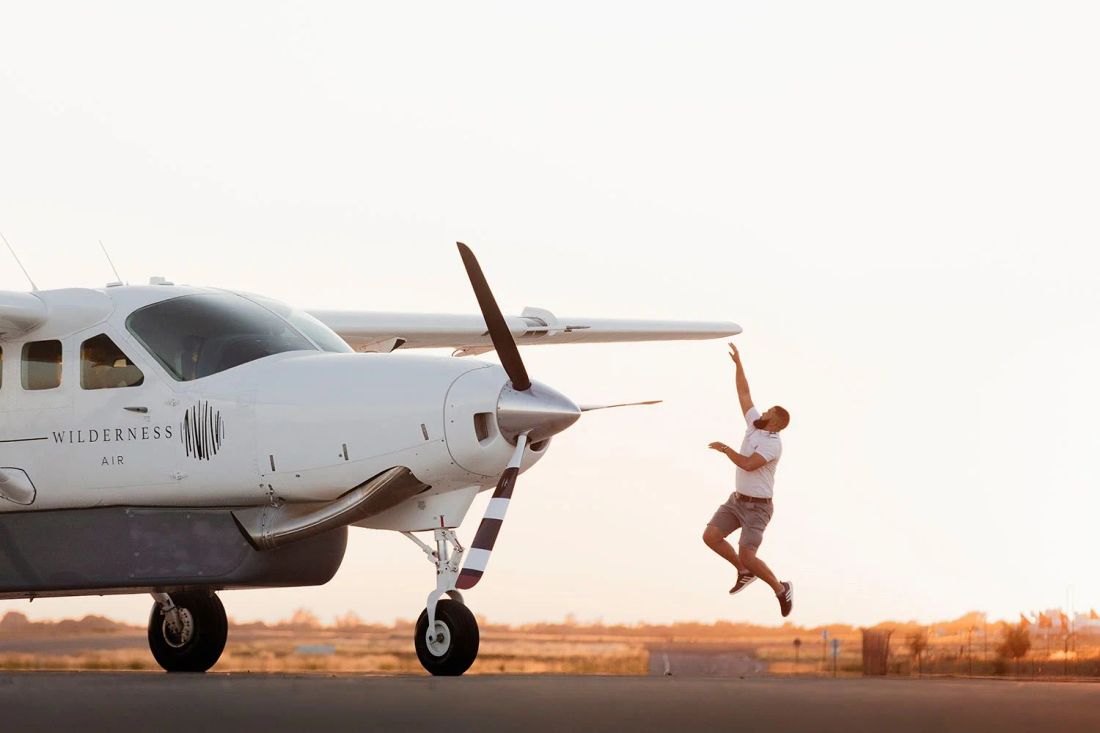
Light aircraft reach the lodge airstrips in about an hour from Windhoek, mostly out of Eros Airport (ERS), Windhoek's domestic airport. Wilderness Air's scheduled service to Ongava runs from Hosea Kutako International Airport instead, and Onguma's own fly-in packages depart from either.

The airstrips, and how you use them:

Four strips serve the reserves in this guide, three of them inside the reserves themselves. Everything landing on them is a charter or a private flight, with one scheduled exception.

Ongava Airstrip sits inside the reserve, about fifteen minutes by road from the camps (longer if something interesting comes across your path). This is the scheduled exception: Wilderness Air flies in from Hosea Kutako.

Onguma Airstrip sits inside the reserve, about twenty minutes from Onguma's camps.

Safarihoek Airstrip sits inside Etosha Heights.

Mokuti Airstrip is just outside Etosha's Von Lindequist Gate, and is the alternative for Onguma and Etosha King Nehale guests. Scheduled flights land here, and charters too.

Self-drive

If you want to feel the road beneath you, driving from Windhoek to Etosha's Andersson's Gate is 4.5 hours on good tar the whole way. Take the B1 north to Otjiwarongo, then the C38 through Outjo.

To get to the eastern side, it's about 5.5 hours to Von Lindequist Gate via Tsumeb. To get to Etosha Heights, the drive is six hours from Windhoek, but some parts of the road are not suitable for sedan cars.

Sample Luxury Itineraries

Three nights gets you the time to explore one reserve, properly. Fly into the Ongava airstrip, stay at Ongava Lodge or at Horizon, and give the middle of the day to the national park itself: in through Andersson's Gate, along the waterholes and the pan viewpoints, back before the gate closes.

Five nights is the one I'd book. Two nights first on the eastern approach, at Onguma's The Fort or Camp Kala. Then three nights on the southern side at Horizon or Ongava Lodge. Five nights across two reserves is enough to notice how different the eastern and southern sides of the park are.

Seven nights gives you enough time to bring Sossusvlei in. Start with three nights at Horizon or Ongava Lodge, plus two at Sossusvlei, with a stay along the coast between them. For a first-time visitor, this is the version that puts three of the country's most defining landscapes into one trip.
Both of the Namibian routes below run longer than any of those three, at twelve and fourteen nights, and both build Etosha into a wider circuit of the country rather than visiting it on its own.

What to Pack

Make sure you pack your camera and binoculars for your safari.

A camera with both a long lens (400mm minimum) for waterhole shots, and something wide for the pan and the herds. Binoculars, 8x42 or 10x42.

Clothing wise, think neutral colours. Also pack layers, like breezy long-sleeve shirts in addition to warm jackets. Sunscreen and lip balm are essential. Namibia's sun is harsh, and you don't want to get burnt on your first day there. If you are flying in, leave the hard suitcase at home too, as charter flights only accept soft luggage.

How Viatu Plans Your Etosha Trip

Three things decide whether an Etosha itinerary works: the boundary you come in from, whether you fly or drive each leg, and how the mid-trip move is timed against gate close. We can arrange the charter, check what the airstrip transfer at the far end covers, and sequence the cross-park drive so it does not land on your arrival day.

Embracing nature at Trails Camp, Onguma.

Our team has been on these reserves in person, on several occasions, and our expertise is knowing which of the reserves and camps will suit the way you actually want to travel. Whether you'd like the fourteen-chalet lodge with company at dinner or the three-villa property where you will not see another guest. We know whether a seven-year-old is better off at Ongava Lodge or at Onguma's Bush Camp. Whether the hide at Safarihoek is worth planning a leg of the route around.

Tell us your dates and how you like to travel, and we'll build the route around the reserve that suits you.

The Verdict

Book a private reserve, and fly to it. Ongava if you're entering from the south, Onguma if you want the less-visited eastern angle, Safarihoek if you're combining with Damaraland. Three nights minimum, five if you can stretch it.

If a private reserve doesn't fit the trip, Etosha King Nehale up at the northern gate earns its place for that guest-only waterhole and hide, which no rest camp offers. It is a long way from the rest camps, and I'd still make the detour.

And give the park itself half a day of its own. Even from a private-reserve base, take a vehicle in and drive it yourself. Sitting alone with the engine off while a herd of elephants drinks at a pace that makes time irrelevant is not something a guided vehicle quite replicates.

Frequently Asked Questions

Three nights at a private reserve is the minimum: enough for guided game drives, a night drive, and a full day into the park. Five is the sweet spot, split between two reserves, east and south. Seven covers both sides without rushing.